Supporting performance throughout the asset lifecycle.
What we do
Asset management connects operations, maintenance and engineering to inform decisions throughout a facility’s life. Analysis of condition, criticality and performance supports the definition of interventions and the orderly planning of its development.
An integrated view of the facility
Performance depends on how equipment, systems and working practices interact. An intervention must consider its implications for operations, maintenance and the resources it requires.
The approach combines current needs with a lifecycle perspective: preparing for entry into service, sustaining function, adapting the facility and planning its retirement.
Engineering in practice
Handover information that stays with the asset
Construction information must become a usable foundation for operations. Linking equipment identifiers, as-built documentation and maintenance requirements supports intervention planning. Subsequent updates maintain alignment between the physical installation, its records and approved modifications.
Asset hierarchy and as-built documentation
Equipment data and maintenance requirements
Operational change control
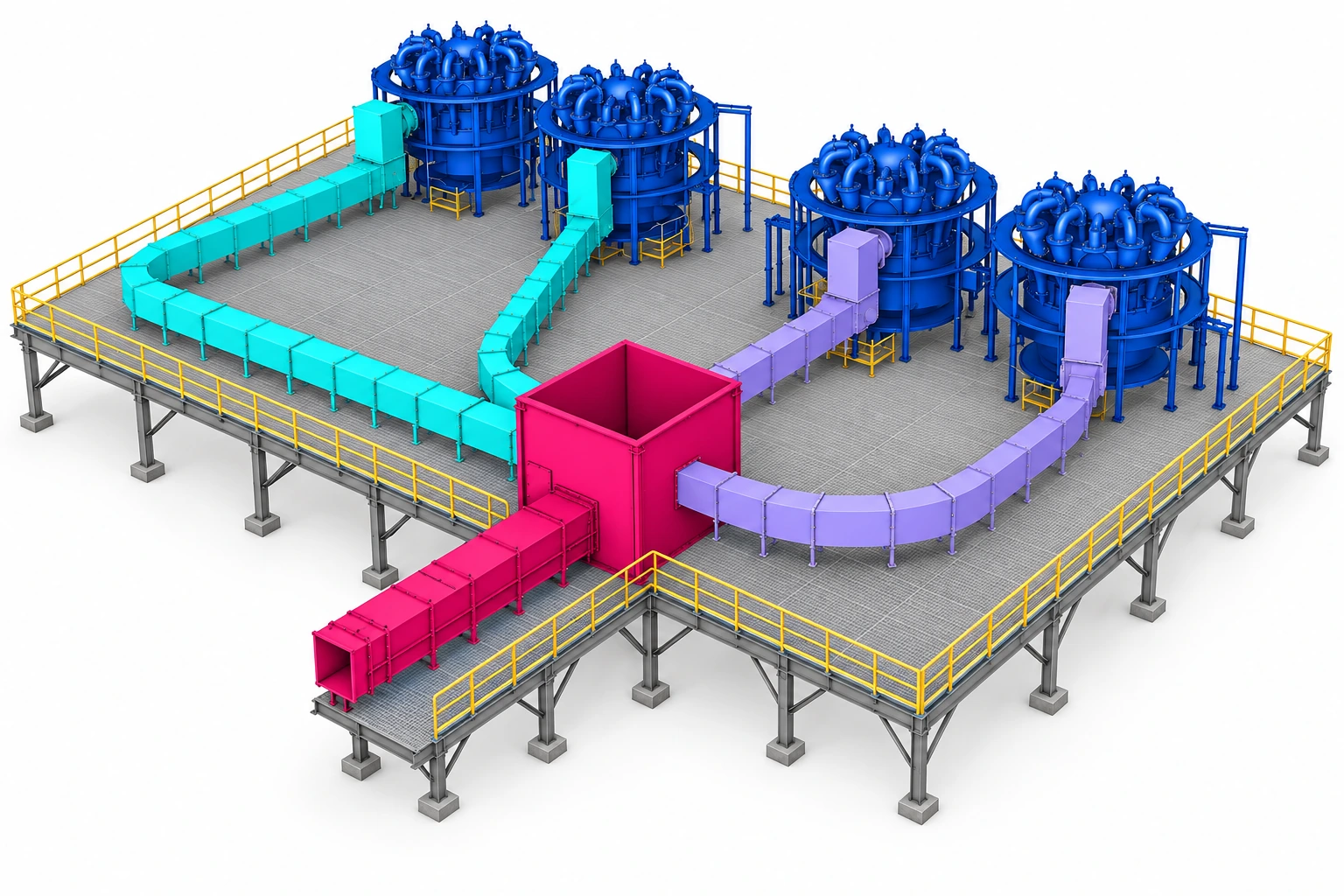
Conceptual visualisation
Explore further
Asset management solutions
Services to prepare, operate, adapt and retire facilities.
Priorities evolve with the facility’s condition and operational objectives.
Operate and maintain
The review connects tasks, condition and failure consequences. Inspection, maintenance and work preparation requirements are identified to sustain equipment function.
Criticality and maintenance strategies
Preparation of resources and spare parts
Condition monitoring and findings
Our approach
From information to a substantiated intervention
Understand the asset
Connect inventory, history, service conditions and operational objectives to build a technical basis for assessment.
Prioritise the work
Compare consequences, constraints and options to inform the scheduling of inspections, maintenance and modifications.
Review the outcome
Record intervention findings and results to update plans and maintain decision traceability.
Explore further
Engineering and data for asset management
Complementary capabilities to understand the facility and maintain information continuity.
Priority reflects function, criticality, condition and failure consequences. Options are assessed against resources and operational constraints to define a strategy and monitor its results.
When should an asset’s strategy be reviewed?+
Changes in operating duty, recurring failures, obsolescence or expansion needs may justify a review. Plans should also be reassessed when new inspection evidence emerges or the required function changes.