Technical information throughout the asset lifecycle.
What we do
A useful digital asset brings together data, documents and relationships that represent the facility. Data management keeps that information identifiable, verifiable and available to support engineering, maintenance and operations.
A consistent information base
Drawings, equipment lists, maintenance records and operational signals often come from different systems. Connecting them requires identification conventions and shared quality criteria.
Management does not end with an initial data load. Responsibilities and update mechanisms are defined so that changes to the physical asset remain aligned with its digital information.
Service scope
The scope is defined according to asset condition, project stage and available information.
Structure
The approach to identifying and connecting equipment, systems and documents is defined. The information model is tailored to the intended uses and the sources to be integrated.
Asset hierarchies and identification
Information model and attributes
Source and document catalogue
BIM / AWP
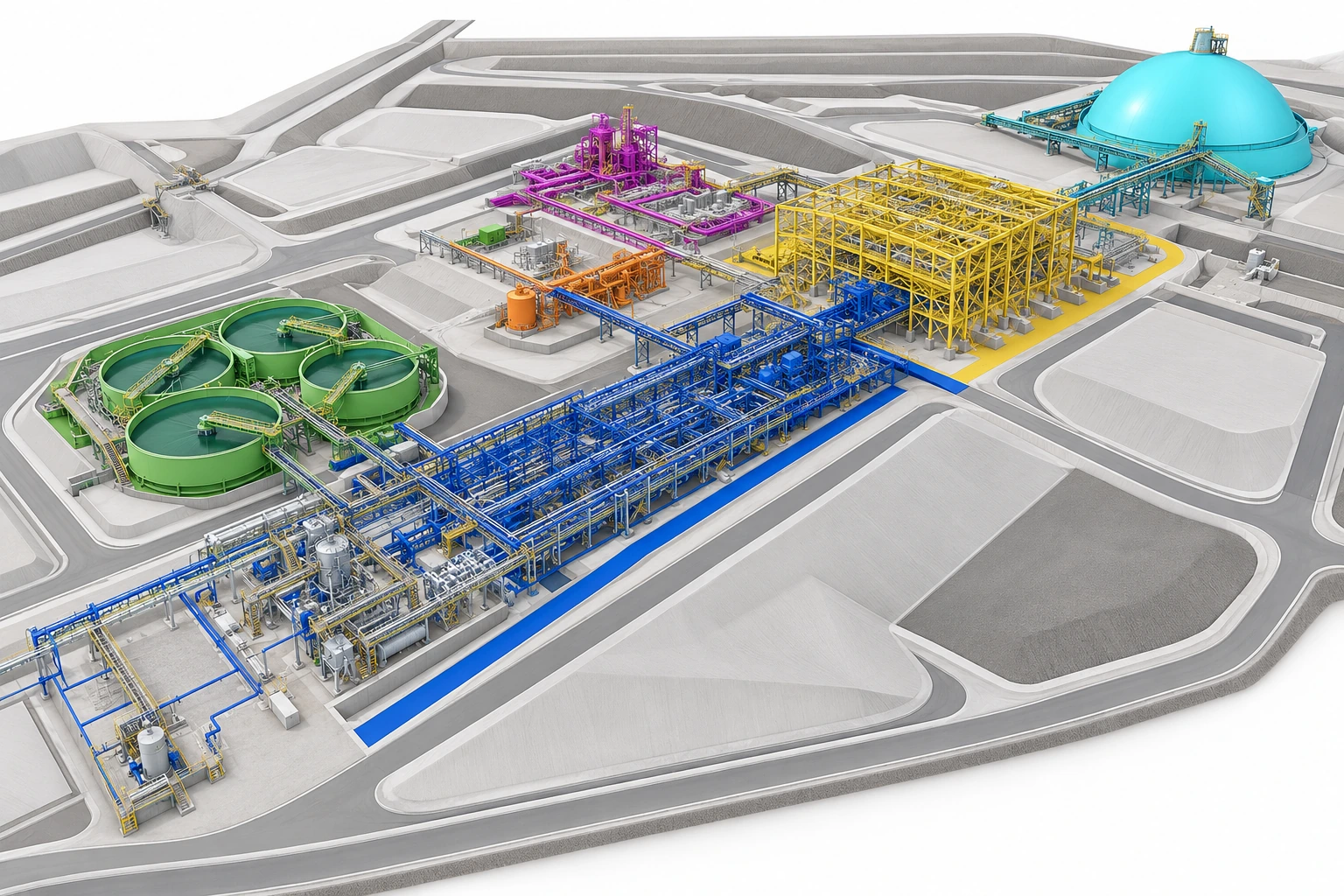
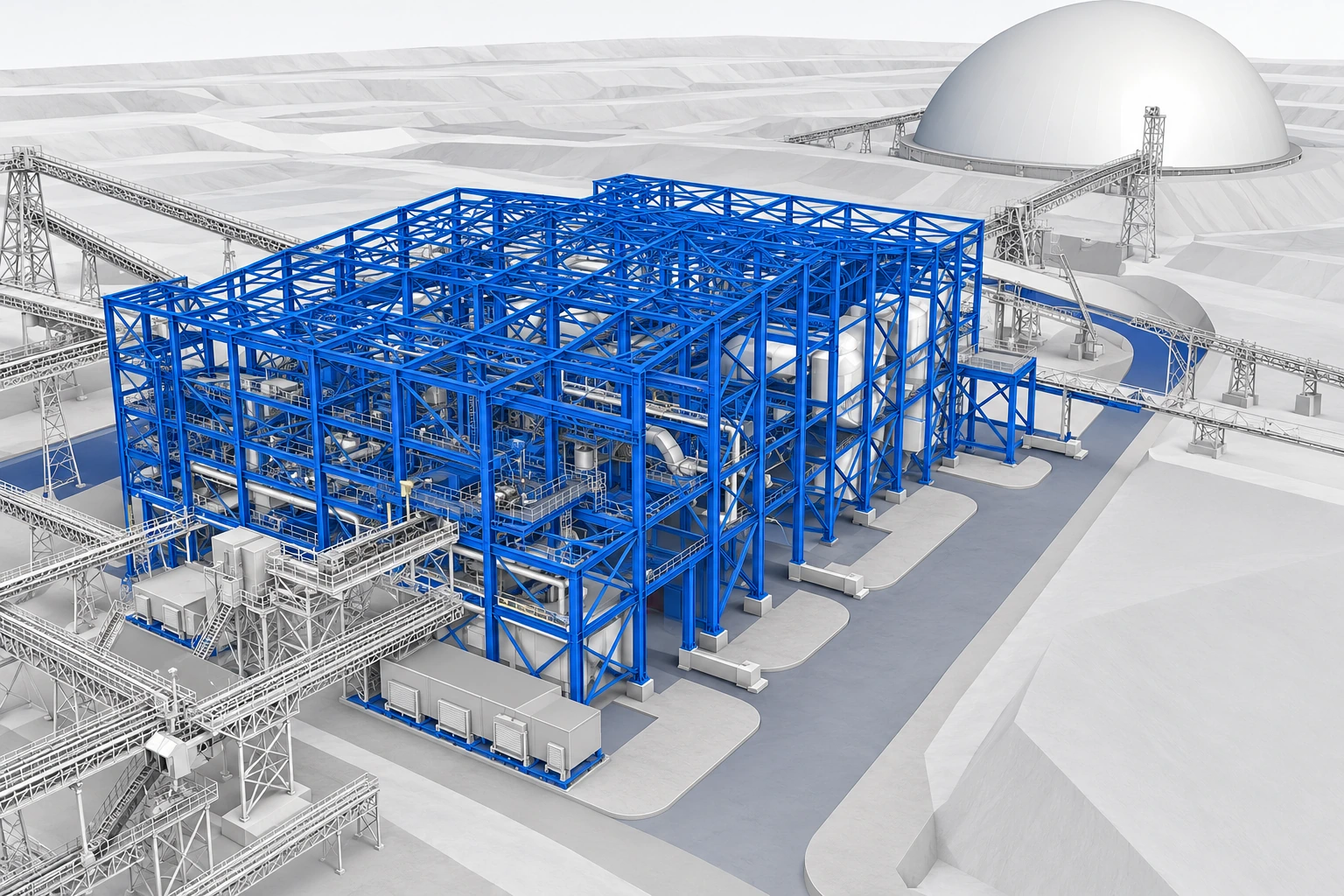
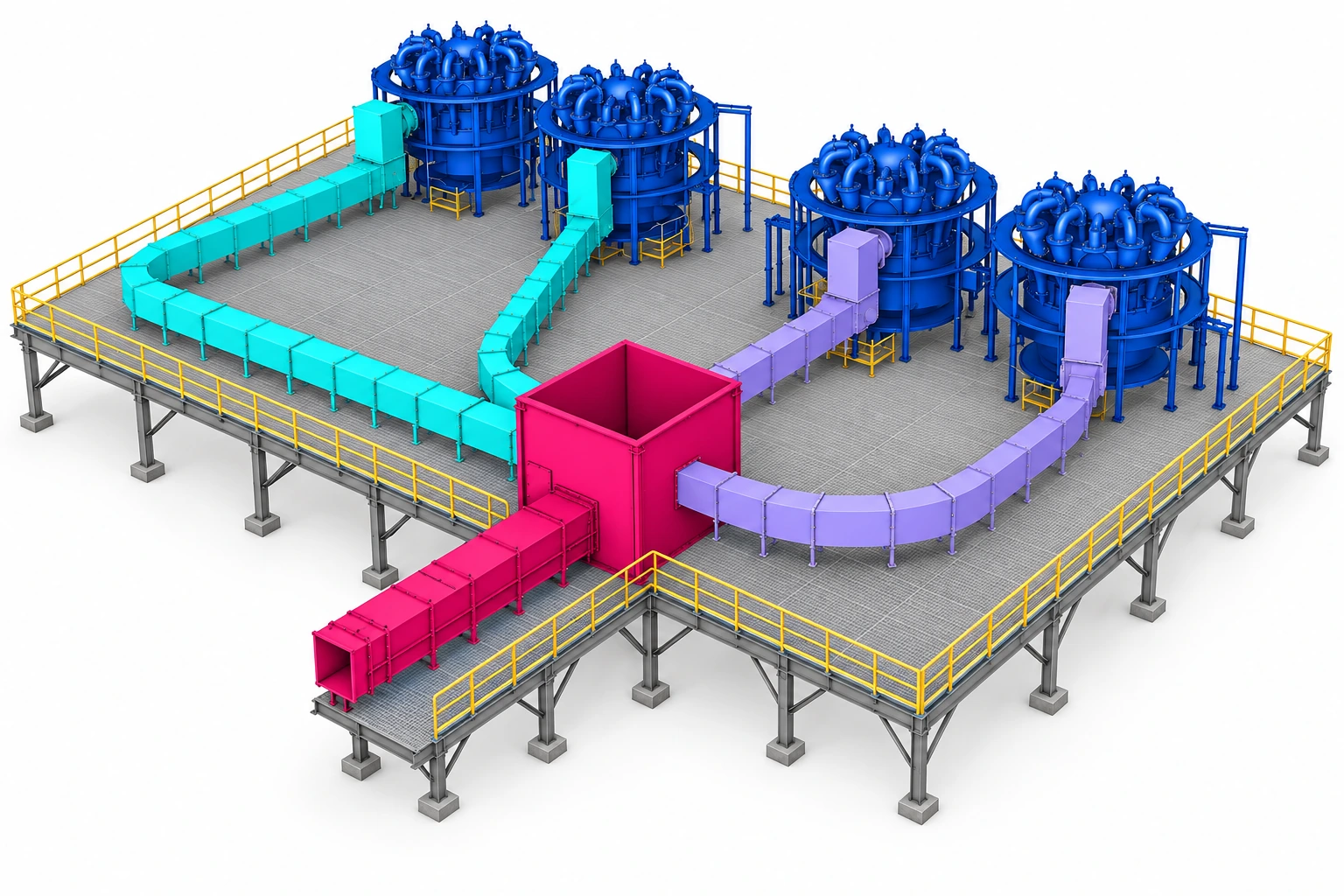
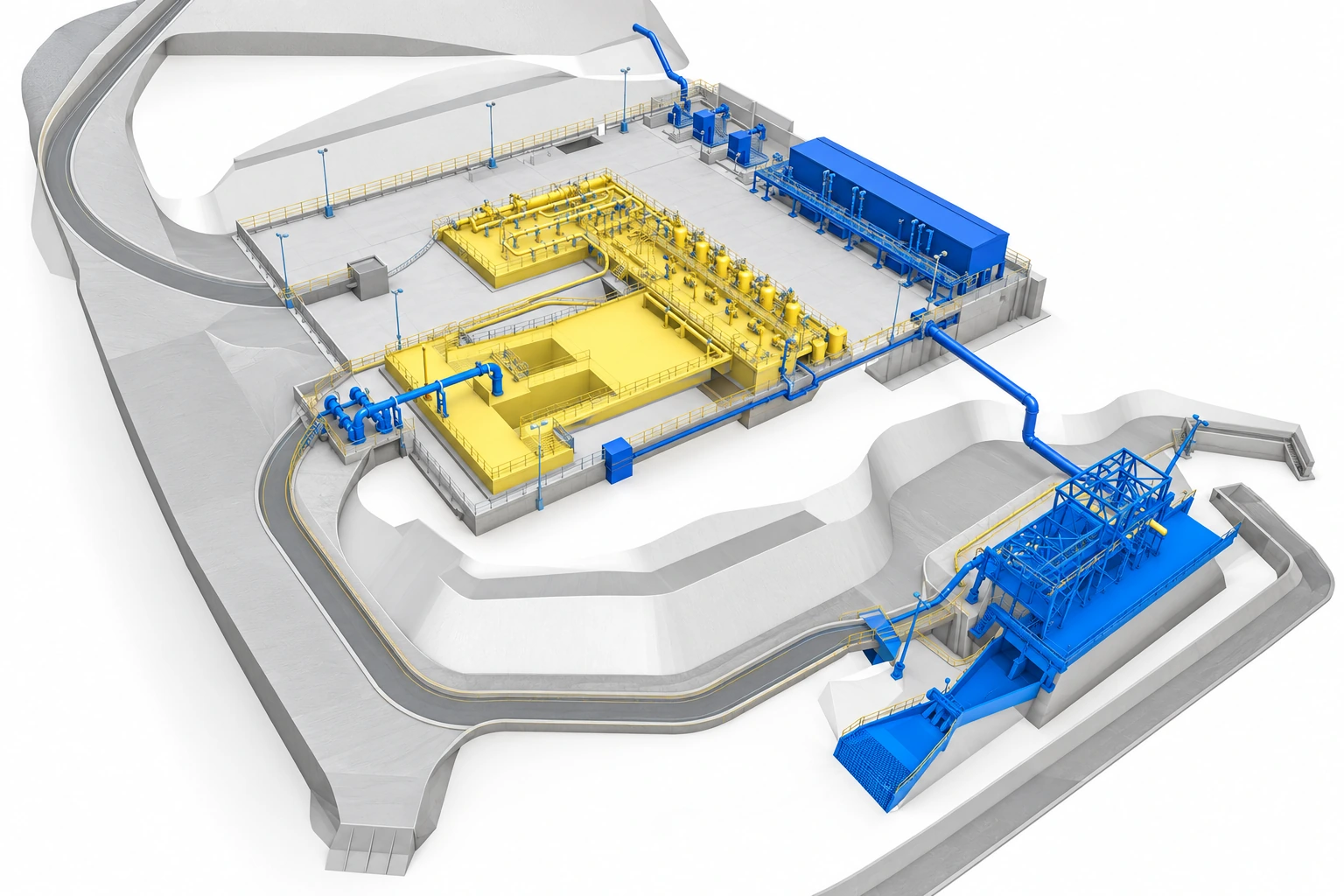
Industrial BIM: from the whole plant to the detail
Explore how a model connects plant areas, structures and the systems that need to be ready for operation.
Conceptual visualisation
Selected view / 01
Plant and construction areas
An integrated view supports site layout, workfront planning and coordination between facilities.
Maintaining the link between information and the asset
Documentation and asset hierarchy
A common structure connects documents, equipment, signals and locations. Identification and classification rules help locate current information and identify gaps before it is used in an assessment.
Data hierarchy and dictionary
Data cleansing and record reconciliation
Document revision control
Models and digital twins
A digital representation is useful when it serves a defined application and retains its relationship with the physical asset. The scope establishes sources, update frequency and limits of interpretation.
Model purpose and scope
Link to engineering and operational data
Information governance and updates
Deliverables and coordination
Information for decision-making+
Deliverables are agreed when the service is defined. The bases used, results and outstanding checks are documented so that the information can carry through to the next stage.
Asset data model and dictionary
Quality assessment and improvement plan
Information update and handover criteria
Background information to get started+
An initial review confirms what information is available and what needs to be completed. To prepare for that discussion, it is useful to have:
Equipment lists and identification conventions
Documentary sources and available systems
Use cases and information owners
Engineering in practice
From geometry to asset information
A three-dimensional model represents geometry. A BIM approach adds structured information and coordination rules. A digital twin also requires a defined relationship with the asset and its data. The choice depends on intended use, available sources and the ability to keep them current.