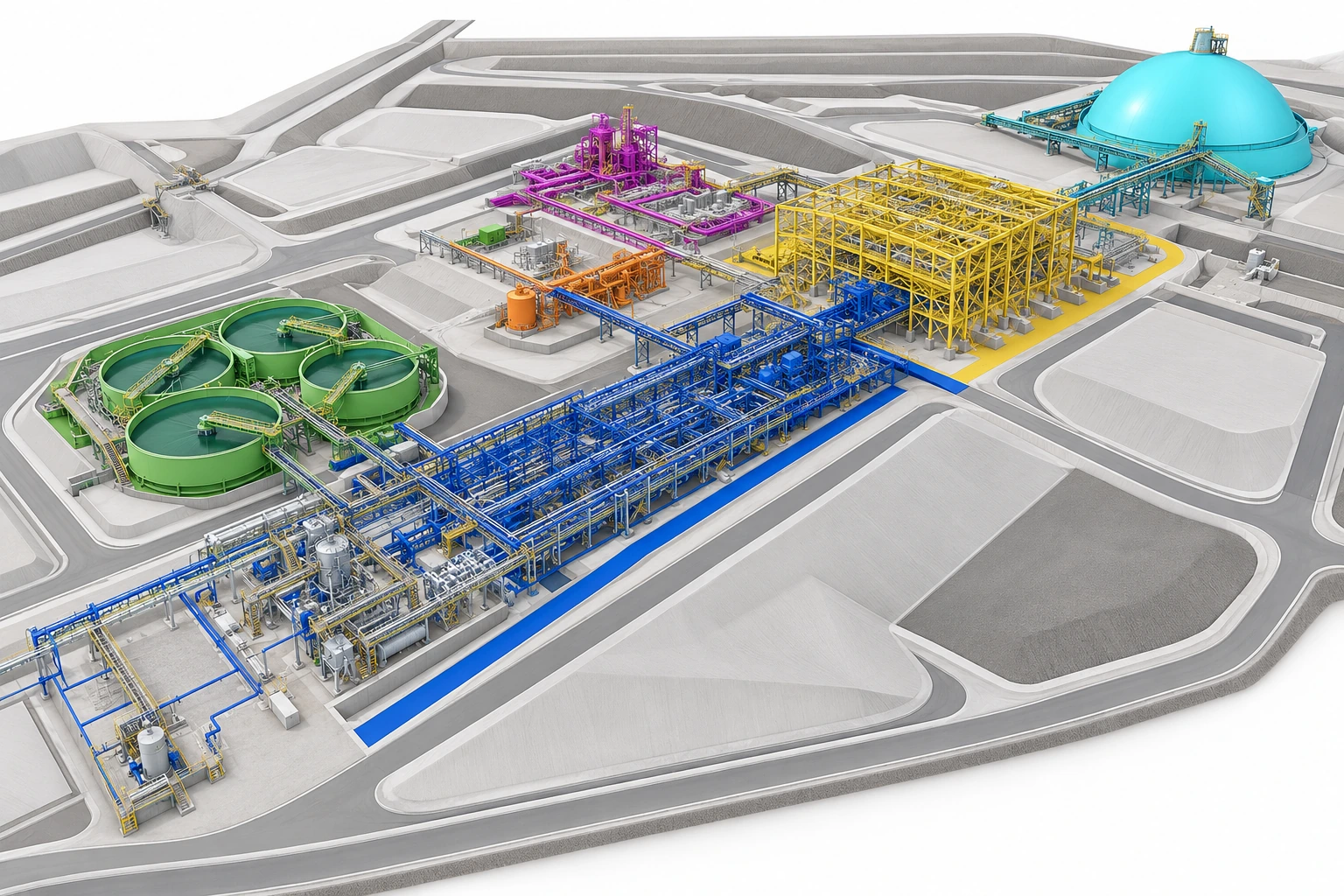
Project delivery requires scope, engineering, procurement, construction and commissioning to be connected. At StratumX, planning and interface monitoring help organise decisions and prepare a handover aligned with operational needs.
A shared execution sequence
A project progresses when technical deliverables, supplies and field activities follow a common sequence. Reviewing dependencies from the outset helps identify constraints before they reach construction.
Coordination integrates design status, outstanding decisions and the preparation of systems for handover. Responsibilities are defined according to the contracting model and agreed scope.
Delivery models
The choice of model reflects project maturity, the allocation of responsibilities and interfaces with the owner.
EPC
Engineering, procurement and construction are organised within an integrated scope. The contract defines obligations, acceptance criteria and interfaces with the owner and other project packages.
Scope and responsibility boundaries
Integration of design and supply
Construction and handover coordination
Our approach
Preparing the work before execution
Plan
Define packages, sequences and decision milestones, considering engineering, supply, site access and resource availability.
Coordinate
Align design and vendor deliverables with the construction programme. Resolve interfaces and record approved changes.
Verify and hand over
Organise testing, close-out of outstanding items and documentation by system, with agreed acceptance criteria for handover.
Connecting procurement and construction
Specifications and vendor information must arrive in time to support design development and the erection sequence. Procurement coordination includes technical review, document tracking and preparation of materials for use in the field.
Technical definition of packages and supplies
Tracking vendor documentation
Review of construction constraints
Traceability of queries and changes
Engineering in practice
From the model to delivery work packages
Work packages need clear alignment between drawings, quantities, supplies and site activities. Visual coordination supports reviews of sequences and constraints, while document control maintains the approved status of each issue and communicates changes that affect project delivery.
Design, supplier and construction interfaces
Installation sequences and constraints
Deliverable control and approved changes
Conceptual visualisation
Explore further
Capabilities for project delivery
Explore the components that connect project definition with operational readiness.
Specifications define supply requirements and the information vendors must provide. Monitoring connects those deliveries with design milestones and the construction sequence.
How is system handover prepared?+
Boundaries, records and acceptance criteria are defined. The status of equipment, tests and outstanding items is coordinated with commissioning and operations so that document close-out reflects actual readiness.