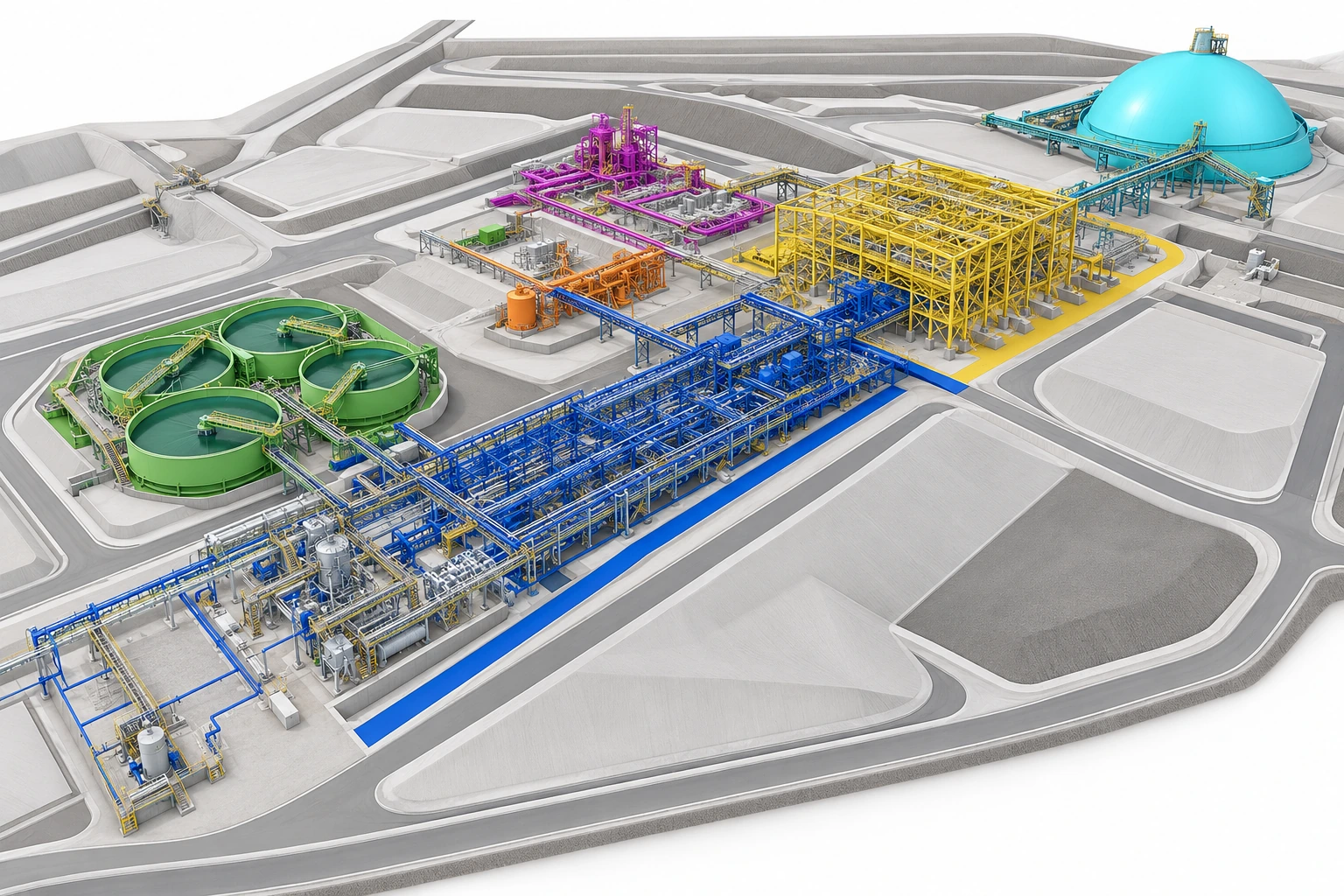
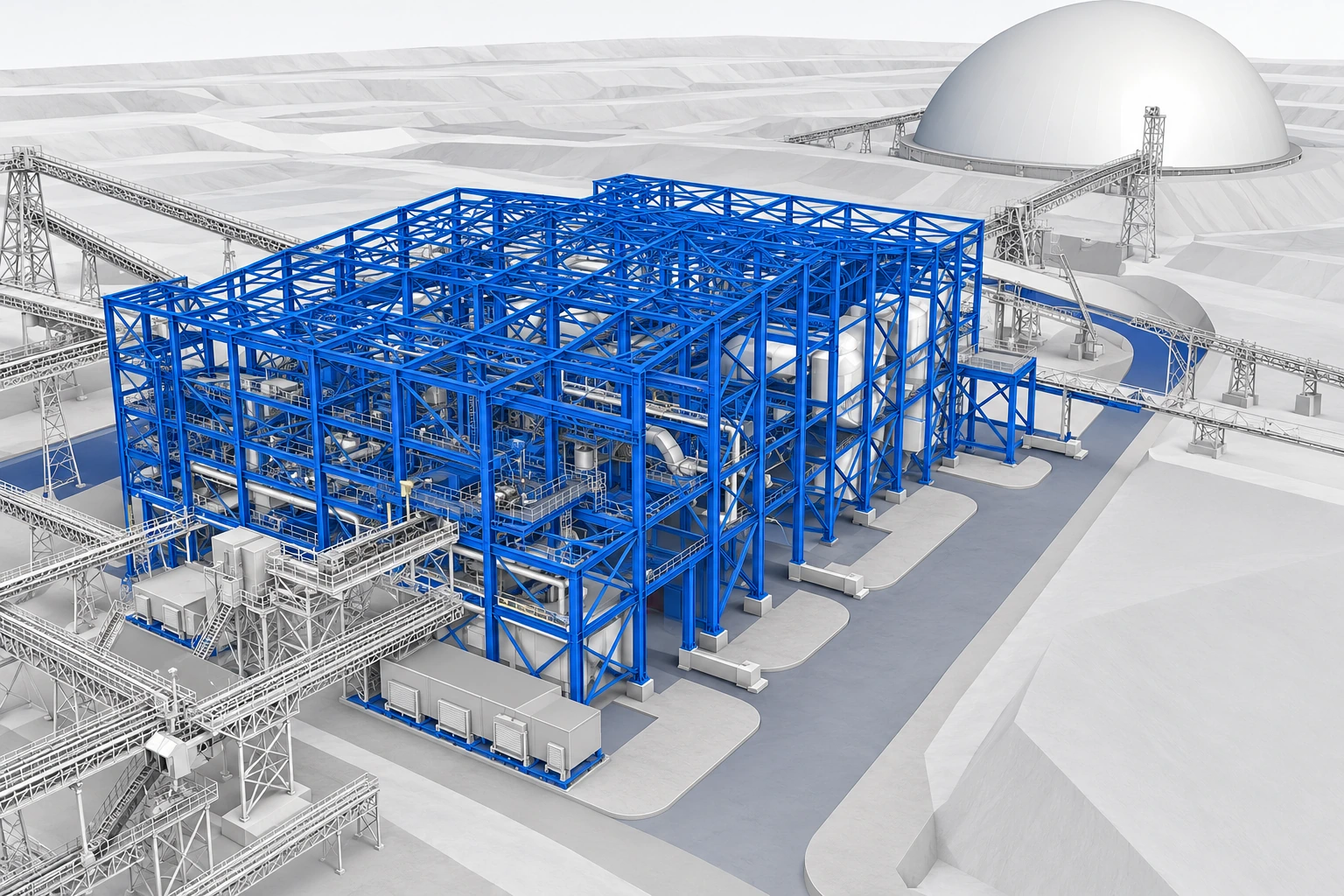
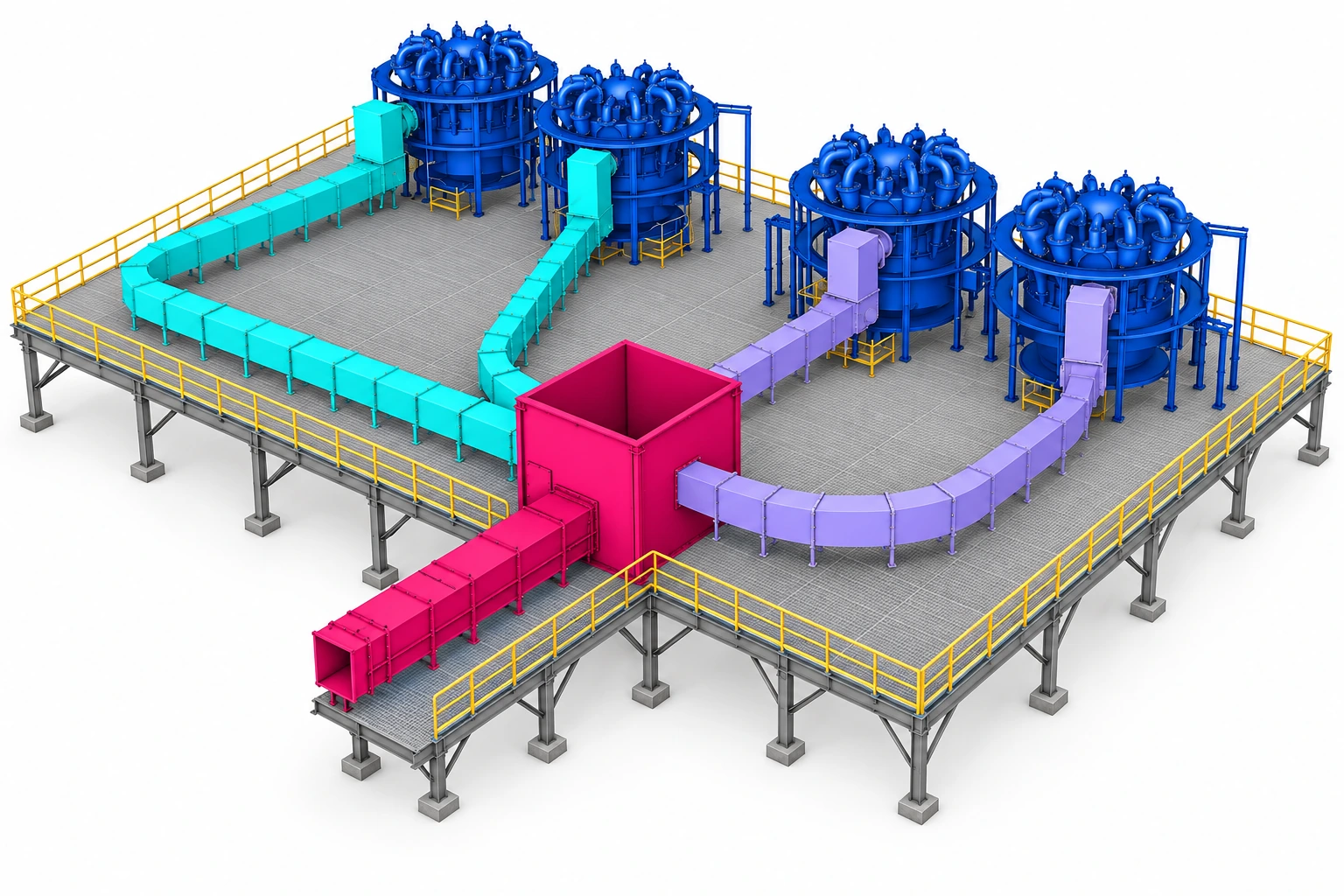
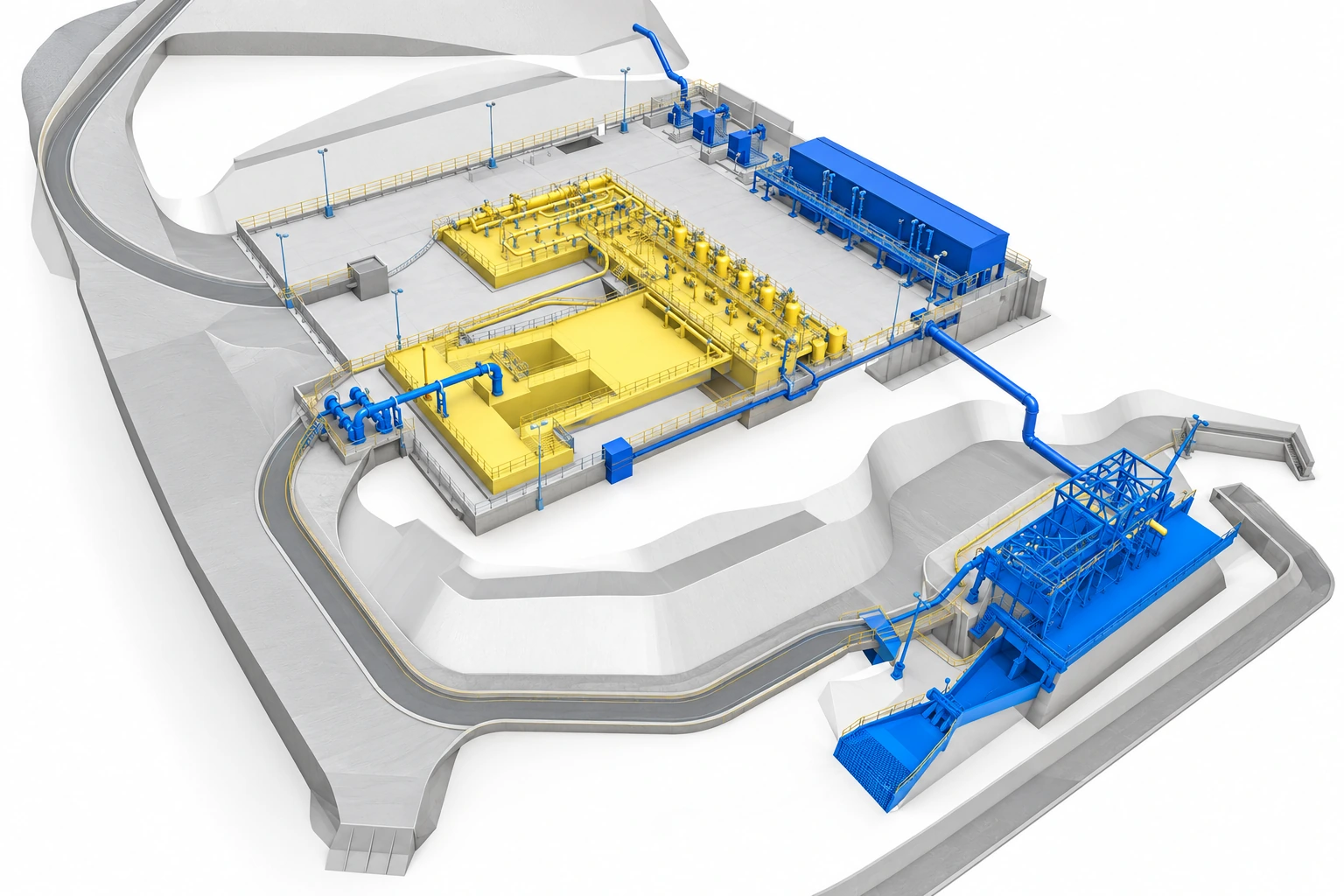
We develop engineering solutions with consideration for how facilities are built, operated and maintained. Discipline coordination and information control translate project requirements into coherent technical deliverables.
Engineering with an integrated perspective
Every design decision affects other systems: selecting equipment may change the layout, loads, electrical supply or maintenance requirements. Engineering therefore requires a common basis and coordinated interface reviews.
The approach covers both new facilities and modifications to existing assets, with the level of detail tailored to the stage and available information.
Studies and conceptual engineering
Early stages enable configurations to be compared and the conditions governing technical feasibility to be identified. The aim is to select a basis for development and document the questions that still require assessment.
Definition of objectives and preliminary bases
Comparison of configurations and technologies
Review of the site and required utilities
Identification of constraints and additional studies
Front-end engineering design, known as FEED, consolidates scope before detailed design. Process, equipment, layout and interface criteria are coordinated so that subsequent decisions rest on a consistent basis.
Design bases and discipline criteria
Balances, diagrams and equipment definition
Facility layout and interfaces
Preliminary quantities and planning support
Detailed engineering and delivery support
The design is developed into drawings, calculation reports, specifications and documents for procurement and construction. Interdisciplinary review and change control maintain consistency between deliverables and execution conditions.
Integration is organised around verifiable interfaces and shared requirements.
Processes and equipment
Operating conditions inform equipment selection and specification. Models and calculations must retain the same assumptions as the diagrams and design documents.
Balances and process criteria
Equipment and auxiliary systems
Operability and maintainability
Engineering in practice
BIM coordination for industrial facilities
BIM coordination brings equipment, structural, piping and infrastructure models into a shared reference. Reviews help identify clashes and examine installation, operating and maintenance access. Information requirements and review criteria are agreed to suit the project phase and intended model use.
The design basis, interfaces and deliverables are reviewed jointly. Changes are assessed for their effects on processes, equipment, infrastructure and control, with a record of decisions and affected documents.
What changes in an existing plant?+
Engineering requires verification of field information, utility capacity and intervention constraints. Tie-in points, clashes and operational continuity form part of scope definition.