We develop technical solutions connecting generation, networks and industrial consumption, with attention to supply reliability and changing demand.
Design for operating demand
An electrical installation must respond to its load behaviour and network conditions. The assessment begins by understanding demand, supply quality and the continuity requirements of the processes that depend on it.
Studies guide system configuration and equipment selection. Engineering brings together generation, transformation, distribution and control, considering current operations and the interfaces required for expansions or new energy sources.
Electrical systems that work together
The configuration is developed using common criteria for capacity, protection, control and maintenance.
Generation and supply
Supply and generation options are compared against the demand profile and availability requirements. Industrial facilities may require coordination with thermal utilities, backup systems and other sources of supply.
Load assessment and supply options
Integration of generation with industrial processes
Review of utilities and operating conditions
BIM / POWER
BIM for electrical systems
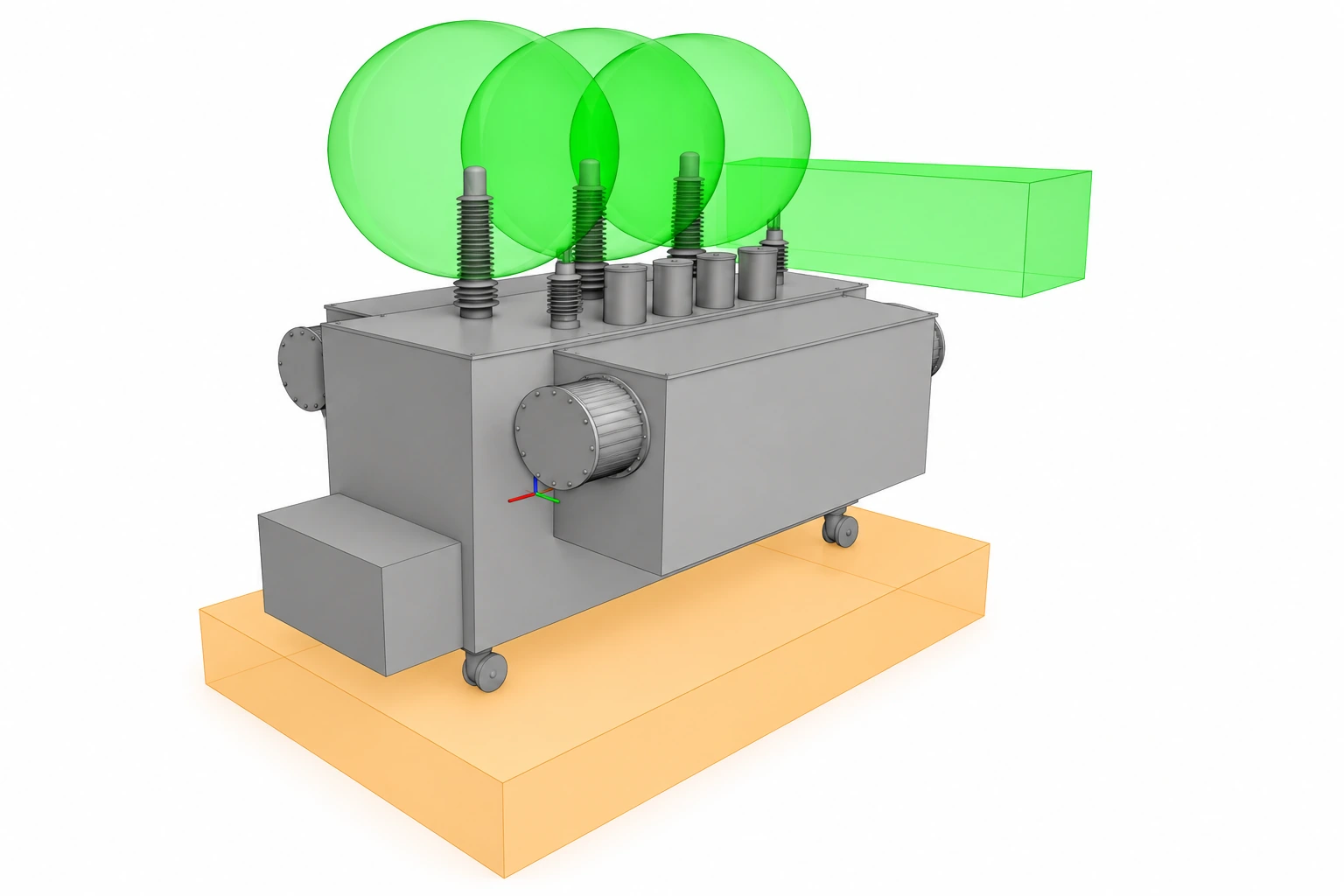
Equipment views support coordination of layouts, connections and the space required to construct, operate and maintain an electrical installation.
Conceptual visualisation
Selected view / 01
Transformers and components
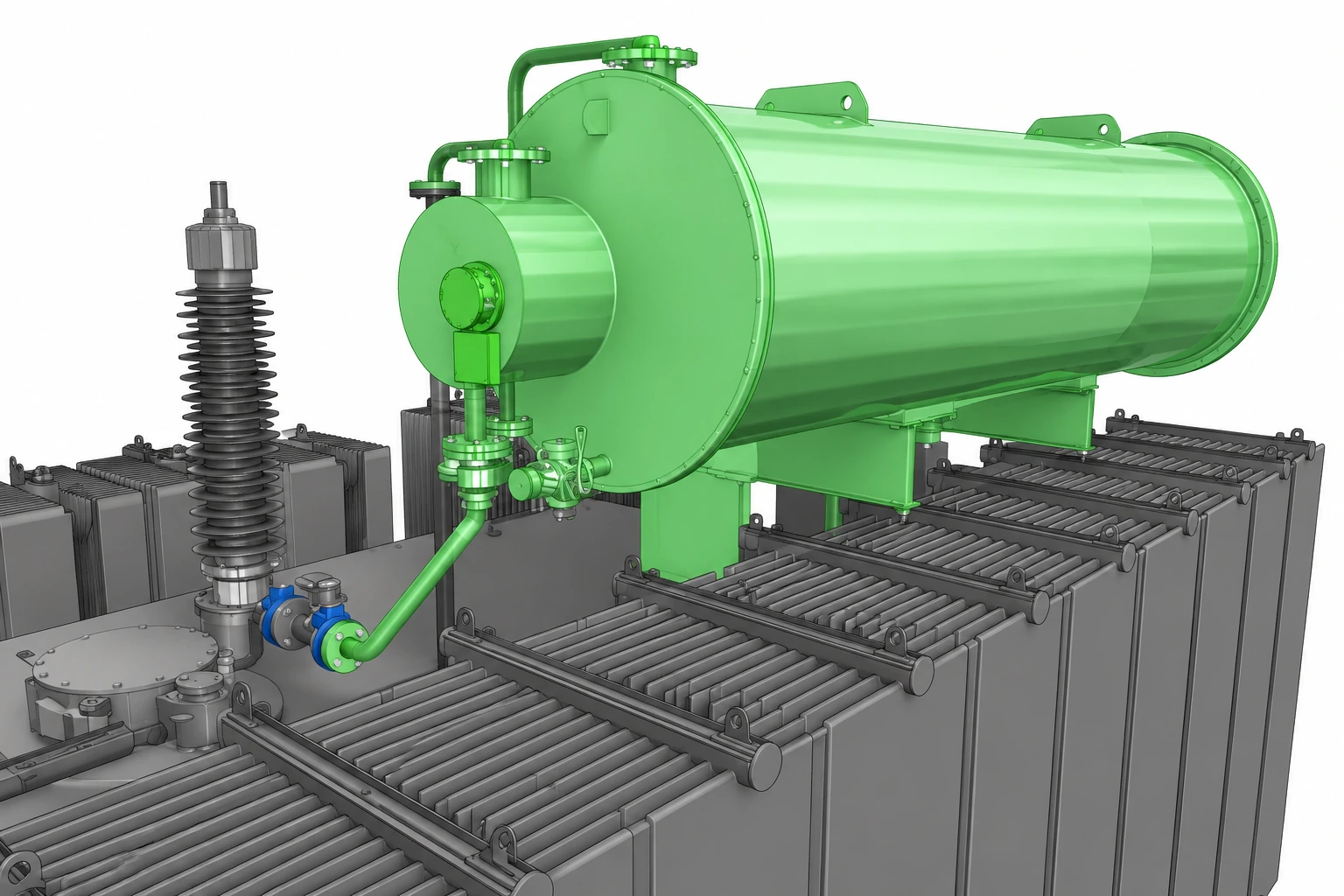
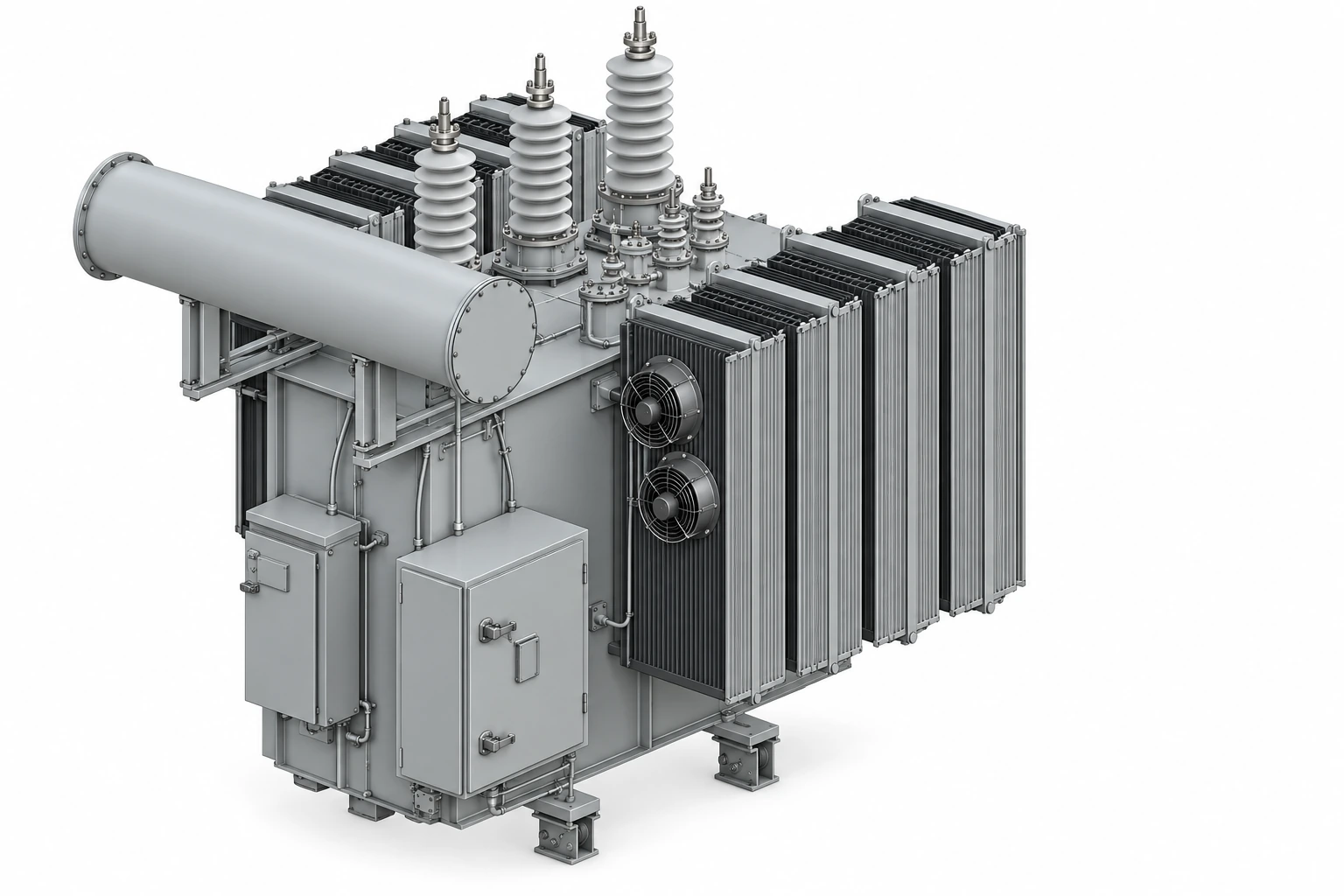
The geometry relates the transformer tank to its radiators, bushings and connections to support interface reviews.
At StratumX, we focus coordination on usable information. Agreeing geometry, connections, attributes and review criteria helps relate equipment to its surroundings and prepare a digital handover aligned with project requirements.
Review demand, supply conditions and equipment information. Define the operating scenarios to be studied.
Design and integrate
Coordinate studies with engineering and connection requirements. Document interfaces, specifications and acceptance criteria.
Verify and maintain
Prepare testing and commissioning with defined responsibilities. Organise records, inspections and maintenance to sustain reliability.
Technical capabilities
Connect studies, equipment and electrical operations
Networks and industrial installations
Review of power flows, short-circuit conditions and protection must reflect the configuration and operating scenarios. The results inform equipment selection, expansions and connection interfaces.
Demand profile and critical loads
Substations and distribution
Protection coordination
Storage and continuity
The intended function determines how a storage system is assessed. Capacity, conversion, control and operating conditions are coordinated with the grid and the needs of the loads it will serve.
Use scenarios and availability
Power conversion and control integration
Maintainability and test preparation
Questions to define the scope
What information does an electrical study need?+
Diagrams, equipment data, demand records and connection conditions. The assessment identifies missing information and establishes scenarios consistent with current operations or the planned expansion.
Does a new source affect the rest of the installation?+
It can change power flows, fault conditions and control requirements. The connection is therefore assessed within the complete system, and verification activities are coordinated before the final configuration is defined.
Engineering in practice
Generation, storage and industrial demand
New sources must be assessed alongside existing loads and network conditions. Connection studies and protection coordination help define interfaces; storage is evaluated against its intended duty, operating profile, and control and safety requirements.
Generation, network and load compatibility
Connection studies and interfaces
Control integration and functional verification
Explore further
Solutions for power systems
Explore capabilities supporting system development and operations.